How to Become a Master Problem Solver
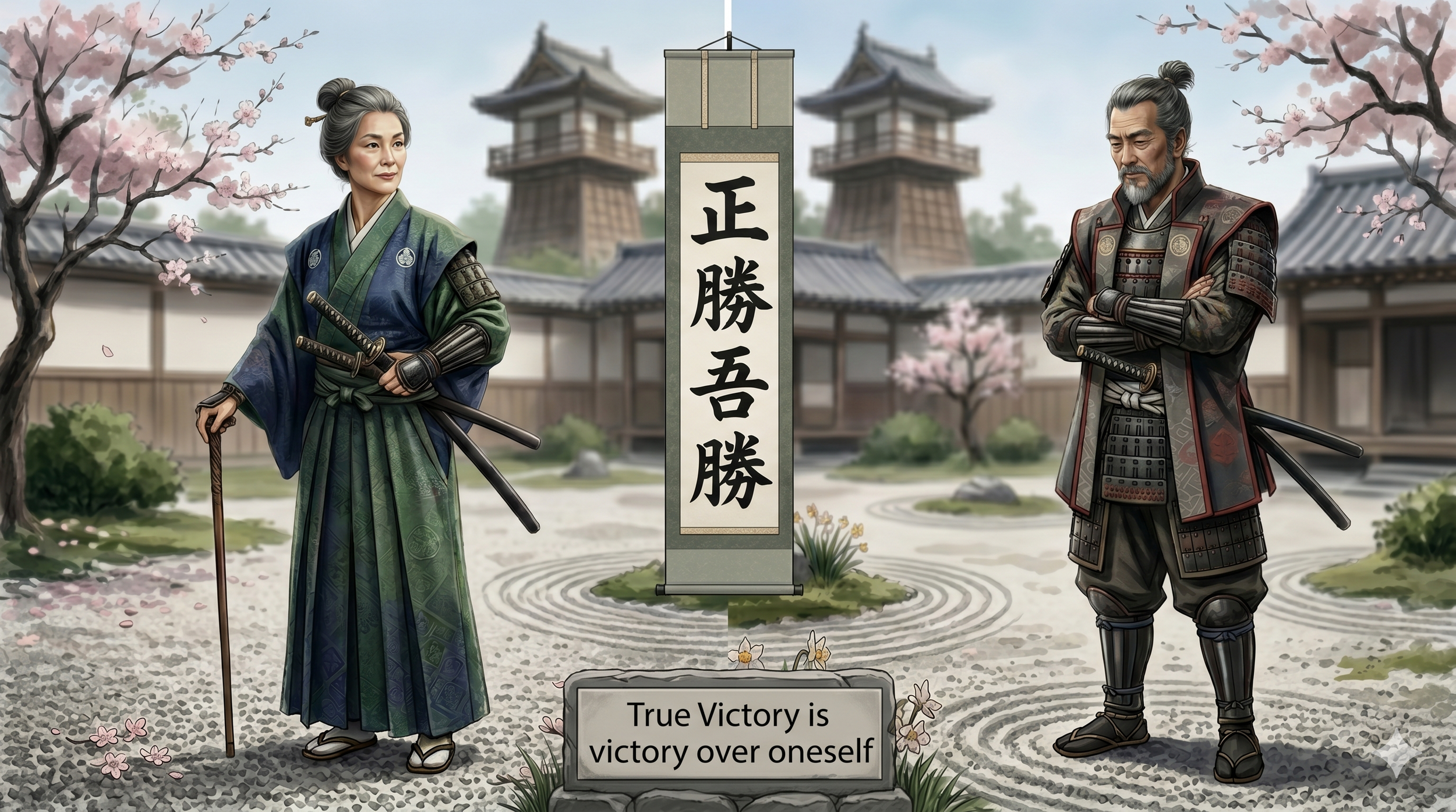
Here’s my thing. I am in my fifties. I have solved a lot of problems in my life.
So many problems, in fact, that several years ago something clicked inside my head. And since that day, I have stopped worrying about worrying.
This may sound strange, abstract, or naive. Yet, I am completely serious. I am not pretending that I’ll never have another problem, nor am I turning off my emotions. I know without a doubt that a problem is heading my way. It’s marinating right now, waiting for the right moment to rear its ugly head. How do I know? From the patterns of the past. Problems are going to occur as they always have, and life is going to be life.
Yet, I have allowed my vigilant worrier at the watchtower to be permanently relieved. I am no longer on guard. No more sleepless nights for me, no more recycling of worst-case scenarios in my head, no more worrying that takes away my appetite and the joy from life. Because of this realization, the exhaustion of constant alertness is gone. My solitary soldier has been reassigned. Yet, and this may come as a surprise, when the next problem inevitably comes my way, I will not be caught off guard.
We’ve all heard that it takes ten thousand hours to master a skill. If that logic holds, I am a grandmaster. I have solved well over ten thousand problems in my life—maybe four times that amount. Problems like heartbreak, life direction decisions, work stress, grief, debt and other financial tightropes, and plans for the future that dramatically shift without my choice. I could continue, list after list, with more than ten thousand other examples for you.
I wasn’t a master because my earlier self had a massive disconnect. I discovered mastery isn't about the hours spent experiencing problems; it’s about the intentionality committed to the hours of problem-solving practice.
I should have been considered a master problem solver a long time ago. Yet, I was only an expert at surviving life and remained a complete novice at how those problems should have led me toward more peace of mind.
In my younger years, when problems arose, I stayed too much in the moment. My myopic focus was always: this is the first time I've ever had to face this issue. Even though this fact was technically true, I was completely disregarding every single obstacle I had overcome before it. I didn't look at how those past trials had prepared me for this very moment. This lack of proper perspective forced me to fight every battle as if I were a new, terrified, and untrained recruit, instead of believing I was an established, war-hardened, and seasoned general.
A proper perspective means that I now, and forever will, regard myself as a master problem solver.
Therefore, when a problem barrels its way into my life, I will no longer be surprised. Its arrival was expected. I will simply pause, take an intentional breath, turn to the obstacle, and say, 'Oh, you were next? Ok, let's do this.' And then I move on.
Here is the largest realization of them all: I didn't actually need to wait until my fifties to learn this lesson. And neither do you. I didn’t actually need to wait until my fifties to learn this lesson, and neither do you. How long have we been solving problems? Think about it. Ever watched a baby learn to roll over, kneel, crawl, stand, and walk? Each of those milestones is a massive hurdle for any baby. Let’s understand: active problem-solving isn't an adult chore—it is an innate, human instinct we've practiced since day one. So, at what point should we finally permit ourselves to be considered masters?
Today.
This new perspective naturally raises a few questions, and so let’s answer the first one: If we can’t go back in time and practice problem-solving with intention, haven’t we already lost our chance to become masters?
The answer is an emphatic, resounding no.
The moment you face your next obstacle in life—whether it's money struggles, moving to another state, cancer, a car accident, career shifts, raising adult children, a death in the family—you stop. You take a breath, and you step out from the tunnel vision of that single issue. You look back at your life experience, intentionally taking a bird's-eye view of every single problem you have ever conquered, seeing them as one great, formidable whole—an army of millions of trained, veteran soldiers summoned to tackle a single new threat. When you stand as a general at the head of a force like that, the new problem doesn't stand a chance.
Naturally, this raises the question of what happens to the noise inside our own heads. Is it wrong to still feel anxious when problems come into our lives? How do we live these principles and not become an emotionless, cold fish?
I would be lying to you if I said I never feel anxiety anymore. The truth is, we should want to feel all the emotions this life has to give us—all the pains and all the joys. The goal isn't to become numb. The goal is to live.
Remember, your watchtower guard may be permanently relieved of duty, but that does not mean you are blind to the outside world. You aren't leaving the gates unwatched; you are not naive, nor are you burying your head in the sand, hoping beyond hope all the issues will go away. You are simply choosing to stop living in a state of frantic, exhaustive panic. You no longer need a terrified, screaming sentry on the wall who jumps at every shadow, including the ones in their head. The General has established command in the courtyard, the troops are in their barracks, and everyone is prepared for whatever issue may come over the horizon.
When you understand this level of mastery, you still worry, but your anxiety will no longer possess the intense, paralysing power it once had. You now walk with your head held high, with the maturity of someone who has learned from experience. You face the horizon knowing that no matter what comes your way, you’ve got this. You will solve it, just as you have done many, many times before.
Your history becomes a profound source of soothing for your anxiety. It reassures you that you already possess the skills to handle the storm—or, at the very least, the capacity to learn whatever skills the current issue demands.
There is a reason movies portray a Master General as an old man hunched over, pointing at flowers with his cane, and speaking quietly to those around him. He is not walking slowly because he is decrepit, beaten, or broken by his hard, problem-filled life. He is simply not in a rush, relishing the company of others, and enjoying the walk. He has mastered his perspective and refused to stay trapped in eternal warfare. He has won, allowed himself the freedom to soften, to lower his guard, and to finally live.
This is me, finally, after all these years. This can be you. Right here. Right now.
(When I put this on my website, I may end with this phrase, “If you are tired of living in the watchtower and want to practice intentionality and take command in the courtyard, let’s talk.”)I am in my fifties. I have solved a lot of problems in my life.